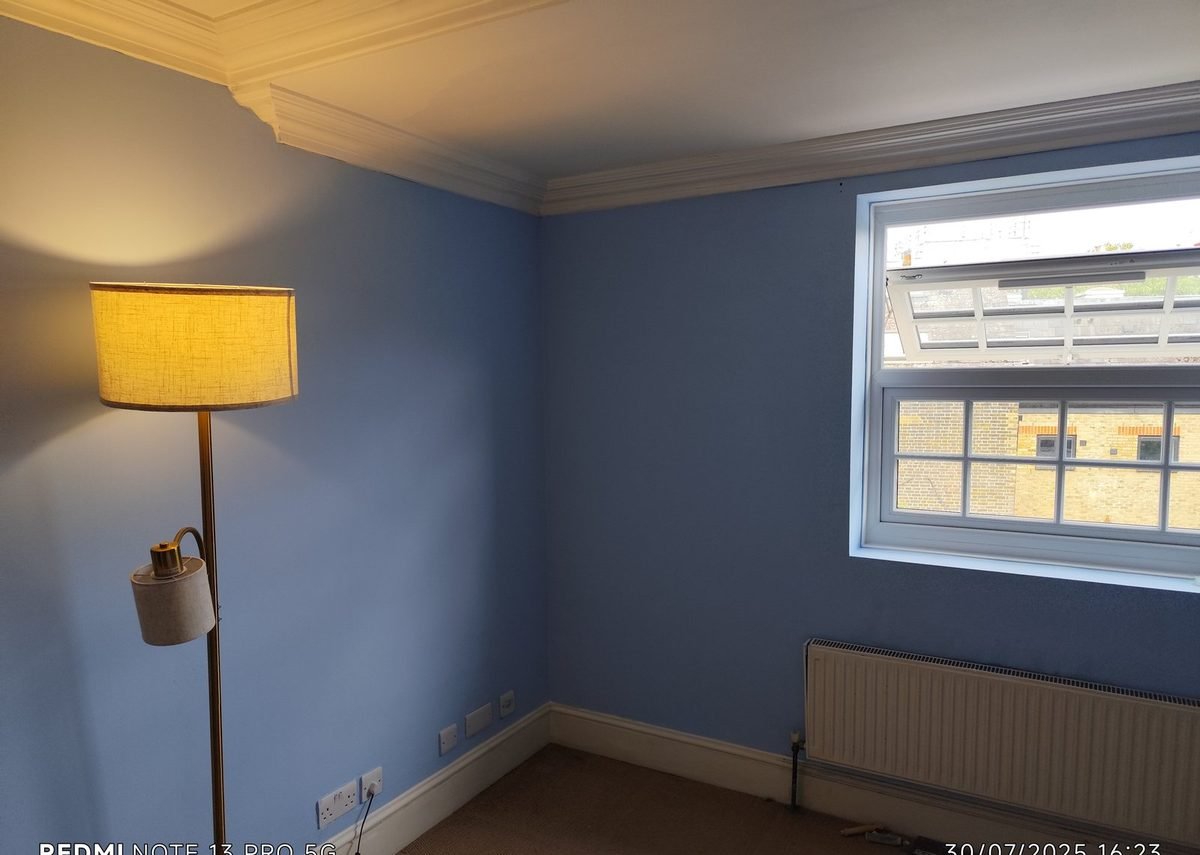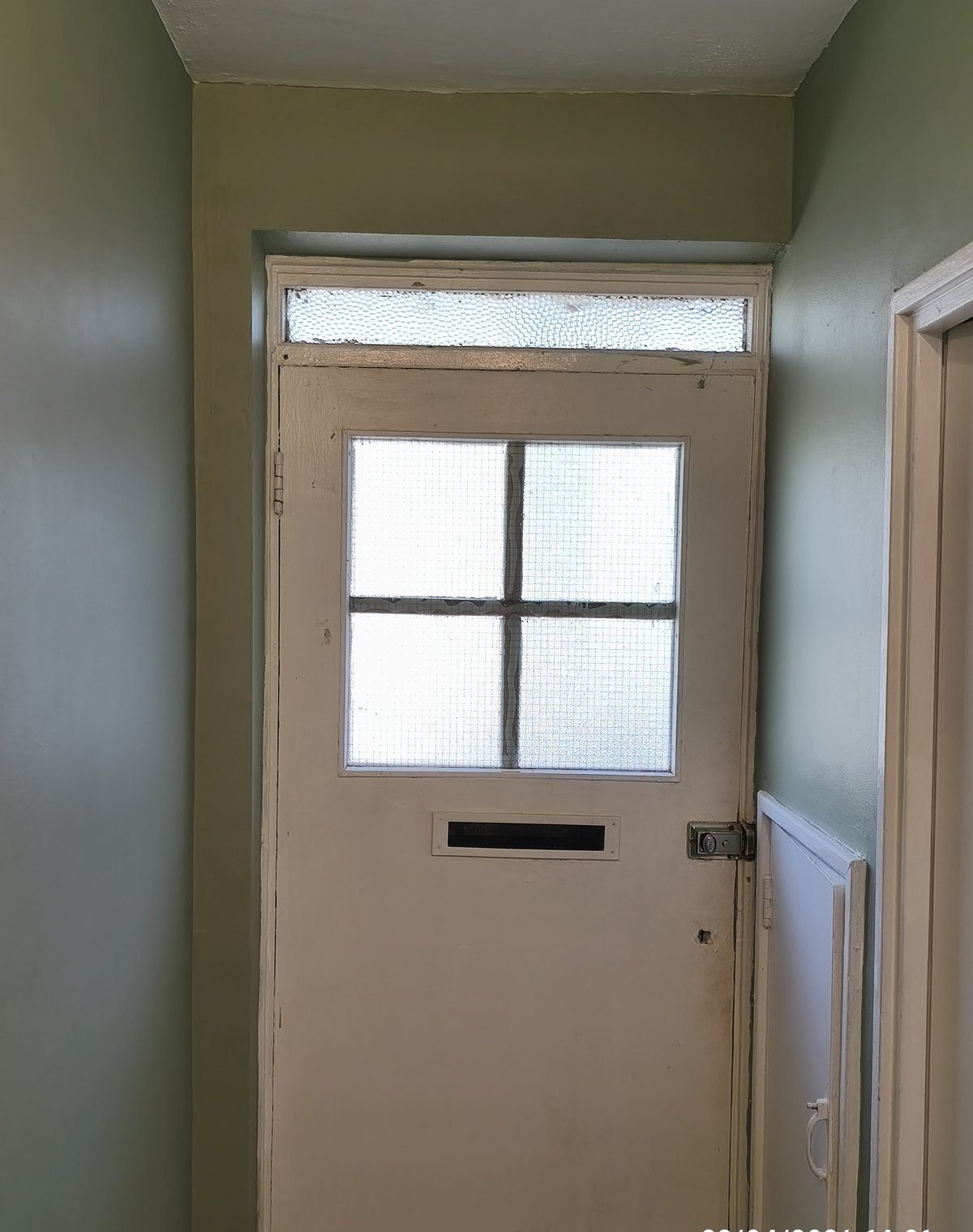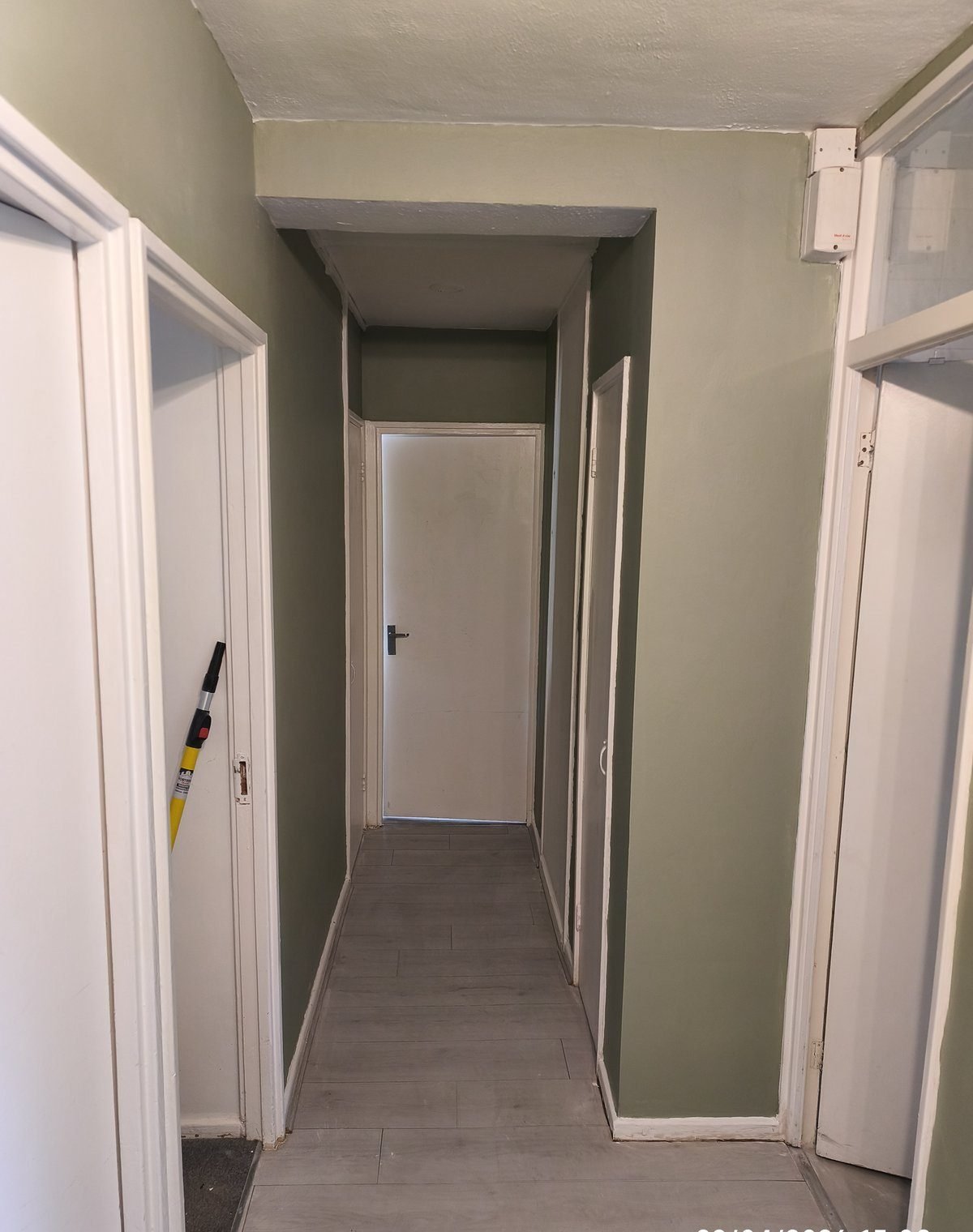
After fifteen years of painting homes across South London — from Victorian terraces in Clapham to new-build flats in Croydon — I have come to realise something. Most people spend ages choosing the colour. They bring home fifty swatches, paint test patches on every wall, and agonise over whether Farrow and Ball Elephant Breath is too grey or not grey enough. And then, when it comes to the finish, they just grab whatever is on offer at the local DIY shed. It is backwards. The finish — matte, eggshell, satin, or gloss — has more impact on how that colour actually looks in your room than almost anything else. It determines how the light plays on your walls, how durable the surface is, how easy it is to clean, and whether your paint job still looks fresh in three years time.
In this guide I am going to walk you through every common paint finish, from dead-flat matte right up to high-gloss. I will explain what each one is, where it works, where it does not, and — because I actually use all of these on client jobs — which specific products I reach for. By the end you will know exactly what to buy for your living room, your kitchen, your woodwork, and your bathroom.
Why Paint Finish Matters More Than You Think
Paint finish — which the industry calls sheen level — controls three things:
1. Light reflectivity. A flat matte absorbs light. A gloss reflects it. That means a matte finish hides imperfections brilliantly because it does not bounce light off every bump and ridge. A gloss finish, on the other hand, will highlight every single flaw in your plasterwork. If your walls are not perfect — and in most South London period properties they are not — this matters enormously.
2. Durability. Generally, the shinier the finish, the tougher it is. Gloss paints form a harder, more impermeable film that stands up to scrubbing much better than a flat matte. That is why we use gloss on woodwork and satin in kitchens and bathrooms.
3. Washability. Matt emulsion absorbs moisture — including the moisture in a sponge. Scrub a matte wall too hard and you will literally wear the paint away. Higher-sheen finishes are easier to clean, which is why you never paint a kitchen in dead-flat matte unless you enjoy removing pasta sauce with a repaint.
Now let us go through each finish in detail.
Matte / Flat Finish
Sheen level: Less than 5 percent — virtually no shine at all.
Matte is the go-to finish for walls and ceilings in living rooms, dining rooms, bedrooms, and hallways. It is the most forgiving finish you can buy. Because it scatters light rather than reflecting it, matte paint hides imperfections beautifully — hairline cracks, uneven plaster, patched areas, and that slightly wobbly skim coat your builder told you was within tolerance. A good matte gives you a rich, velvety, almost chalky depth of colour that you simply cannot achieve with a shinier finish.
The trade-off is durability. Traditional matte emulsions mark easily and do not tolerate washing. If you have got young children or a hallway that gets a lot of traffic, standard matte will show scuff marks within months. However, modern trade-quality mattes — and I am talking specifically about Dulux Trade Diamond Matt — have changed the game entirely. Diamond Matt is scrubbable. I mean properly scrubbable. You can wipe it with a damp cloth repeatedly without burnishing the surface or lifting the colour. It costs more than retail emulsion, but if you have got a busy family home it is worth every penny. I specify it on almost every hallway, landing, and family room I do.
For period properties where you want that ultra-dead-flat, pigment-rich look, Farrow and Ball Estate Emulsion is the benchmark. The depth of colour is exceptional — it contains more pigment than almost any paint on the market — and the finish is genuinely flat, with only 2 percent sheen. It marks more easily than Diamond Matt, so I use it in adult bedrooms and formal living rooms rather than high-traffic zones, but for colour richness nothing else comes close.
Best for: Living rooms, dining rooms, adult bedrooms, ceilings, period properties with imperfect walls, anywhere you want maximum colour depth.
Avoid if: You have got toddlers, a hallway that doubles as a scooter track, or a kitchen and bathroom (matte plus steam equals bad news).
Eggshell
Sheen level: 10 to 25 percent — a soft, subtle lustre, like the surface of an egg.
Eggshell is the Swiss Army knife of paint finishes. It sits right in the sweet spot between matte and satin, giving you more durability than matte without the obvious shine of satin. It has got enough sheen to be wipeable, but not so much that it highlights wall imperfections. If you only ever bought one finish for your whole house, eggshell would not be a terrible choice.
I use eggshell extensively on woodwork — skirtings, architraves, door frames, and internal doors — as an alternative to gloss. Modern eggshell gives you a beautiful, understated finish on wood that looks far more contemporary than high-gloss. It also works brilliantly on walls in kitchens and bathrooms where you want more durability than matte but do not want the full-on sheen of satin.
Best for: Woodwork when you do not want gloss, kitchen and bathroom walls, hallways that need moderate durability, furniture.
Avoid if: You have badly uneven walls and want maximum imperfection-hiding (go matte instead), or you need truly scrubbable surfaces in a commercial setting (go satin).
Satin / Mid-Sheen
Sheen level: 25 to 40 percent — a noticeable, silky shine.
Satin is what you reach for when durability and washability are the priority. It reflects enough light to create a slight sheen, which makes it excellent for areas that get wet, greasy, or heavily handled. In my experience, satin is the standard finish for kitchen and bathroom walls, and for woodwork in homes where people want something between eggshell and full gloss.
One product I keep coming back to is Crown Kitchen and Bathroom paint. It is a purpose-formulated mid-sheen with built-in mould inhibitors — which makes a genuine difference in bathrooms, especially the poorly ventilated ones we have in so many London flats. It resists steam, resists condensation, and wipes clean easily. For the price, it punches well above its weight.
The one thing to know about satin on walls is that it will show imperfections. The higher the sheen, the more light bounces off the surface at an angle, and the more every dip and ridge becomes visible. If your walls are not in good shape, satin is not your friend unless you invest in thorough prep — filling, sanding, and possibly even skimming. On woodwork, satin gives a lovely modern look, but I tend to prefer eggshell for a subtler, more traditional finish.
Best for: Kitchens, bathrooms, utility rooms, woodwork in contemporary homes, radiators, areas that need frequent cleaning.
Avoid if: Your walls have significant imperfections (the sheen will amplify them), or you want a traditional, period-appropriate look on woodwork.
Gloss
Sheen level: 70 to 90 percent — high shine, almost glass-like.
Gloss is the traditional finish for woodwork in British homes. Walk into any Victorian terrace and you will find gloss on the skirtings, door frames, staircase spindles, and window sills. It is incredibly durable, wipes clean effortlessly, and creates a crisp contrast against matte walls.
The thing about gloss is that it is polarising. Some people love the sharp, polished look. Others think it looks dated — all those 1970s council houses with yellowing gloss everywhere did not do its reputation any favours. Modern water-based glosses have improved enormously, though. They do not yellow like the old oil-based ones, they dry faster, and the fumes are far less brutal. I still use gloss regularly on period properties where it is the authentic finish, and on external doors where durability is paramount.
One critical point with gloss: surface preparation is everything. Because the finish is so reflective, every brush mark, every bit of orange-peel texture, every speck of dust trapped in the paint is visible. You need to sand woodwork to a glass-smooth finish, use high-quality brushes like the Purdy Sprig brushes (which lay off gloss beautifully with minimal brush marks), and work in a dust-free environment. Cut corners on prep and gloss will punish you mercilessly.
Best for: Skirtings, architraves, door frames, staircase balustrades, window sills, external doors, period properties.
Avoid if: You want a contemporary look (go eggshell or satin on woodwork), your woodwork is in poor condition, you are painting in a dusty room.
Room-by-Room Finish Recommendations
Here is a quick reference table I give to all my clients. This is what I would recommend for a typical South London home:
| Room | Walls | Ceiling | Woodwork |
|---|---|---|---|
| Living Room | Matte (Dulux Diamond Matt or F and B Estate) | Matte white | Eggshell or Gloss (period properties) |
| Dining Room | Matte or Eggshell | Matte white | Eggshell |
| Kitchen | Satin (Crown Kitchen and Bathroom) | Matte or Eggshell | Satin or Eggshell |
| Bathroom | Satin or Eggshell with mould inhibitor | Eggshell (moisture-resistant) | Satin |
| Master Bedroom | Matte (F and B Estate for luxury) | Matte white | Eggshell |
| Childrens Bedroom | Scrubbable Matte (Diamond Matt) | Matte white | Satin (easier to clean) |
| Hallway and Landing | Scrubbable Matte or Eggshell | Matte white | Satin or Gloss (high durability) |
| Home Office | Matte | Matte white | Eggshell |
| Utility / Boot Room | Satin | Eggshell | Satin |
| External Doors | N/A | N/A | Gloss (maximum weather protection) |
The Tools Matter As Much As The Paint
I see DIY painters spend eighty quid on paint and then apply it with a three-pound roller sleeve that sheds fibres like a Labrador in summer. Your finish is only as good as the tools you use. Here are the ones I carry in my van every day:
Roller sleeves. For water-based paints on walls and ceilings, I use the Hamilton Perfection medium-pile roller sleeve. It holds plenty of paint, lays it off evenly, and does not shed. For a finer finish on woodwork or when using eggshell on walls, the Wooster Pro/Doo-Z short-pile roller is my pick — it gives you an almost sprayed-on finish with minimal stipple. Both are worth the few extra quid over budget sleeves that will ruin your finish.
Brushes. For cutting in and woodwork, I use Purdy Sprig brushes. They hold their shape, do not shed bristles, and lay off paint beautifully. For oil-based gloss you want a natural bristle; for water-based paints, synthetic. Purdy does both brilliantly.
Tape. If you are painting gloss or satin woodwork against matte walls, you need a crisp line, and no amount of steady-hand bravado will get you there. I use FrogTape Delicate Surface masking tape. Unlike cheap masking tape, it creates a gel barrier that seals the edge when activated by the moisture in paint, preventing bleed-through. On freshly painted surfaces — less than 24 hours old — use the yellow delicate-surface version; the green multi-surface can pull fresh paint off.
Sanding. Between coats on woodwork you must sand — not optional. A fine-grit sanding block with 240-grit takes down any nibs or dust trapped in the paint without cutting through the previous coat. Do it lightly, wipe the dust off thoroughly, and your second coat will look like glass.
One Finish Does Not Rule Them All
I sometimes get asked, Paolo, can I just paint the whole house in one finish? It would be cheaper to buy in bulk. Technically, yes. Should you? No. Different rooms have different demands. Your kitchen walls face steam, grease, and daily wiping. Your living room walls face nothing more aggressive than the occasional lean. Your skirting boards get kicked, vacuumed against, and mopped around. Paint each surface according to what it actually has to endure.
Using the right finish in each room does not cost significantly more — you are buying the same total volume of paint, just in different tins. What it does is make your paint job last years longer, look better while it lasts, and save you repainting prematurely. That is not spending more money. That is spending money smarter.
A Note on Colour and Sheen
One thing people overlook: the same colour looks different in different finishes. A deep navy in matte looks rich, velvety, almost fabric-like. That same navy in satin or gloss looks brighter, shinier, and — in my opinion — cheaper. Dark colours especially benefit from low sheen. Light colours can handle more shine without looking harsh. If you are painting a dark feature wall, go matte. If you are painting a small, dark room in a light colour, a slight eggshell sheen can help bounce what little light there is around the space.
Get In Touch
Choosing between matte, eggshell, satin, and gloss is one of those decisions that seems simple until you are standing in front of a wall of paint tins in B and Q, second-guessing everything. I am always happy to talk it through. If you are in South London and need advice — or if you would rather just have a professional handle the whole thing — drop me a message through the contact page and I will get back to you within a day. No obligation, no hard sell. Just honest advice from someone who paints walls for a living.