Most people think they can paint any time of year. Technically, they’re right — paint will go on the wall in January just as well as in July. But whether it stays on the wall, looks good, and lasts for years — that’s a completely different question. After a decade of painting London homes through every season, here’s when you should (and shouldn’t) be picking up a paintbrush.
Spring (March-May): The Sweet Spot
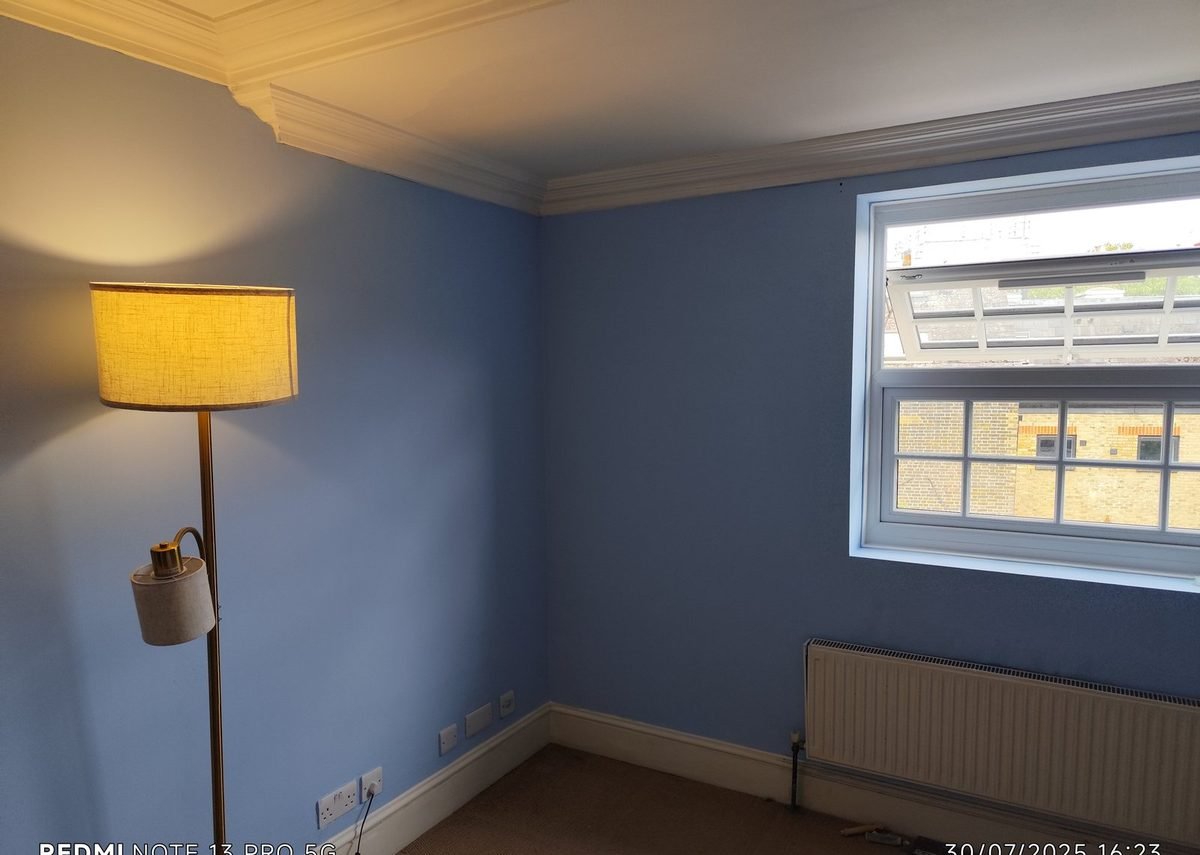
If I could only paint during one season, it would be spring — specifically April and May. The temperature is consistently above 10°C, humidity is moderate (not the damp misery of winter, not the oppressive mugginess of August), and you can comfortably leave windows open for ventilation without freezing or getting soaked.
Spring is ideal for London specifically because it’s dry enough that damp walls from winter have had a chance to dry out. If you paint in February, you might be sealing moisture into your walls without realising it. By April, that exterior wall that felt cold and clammy in January is bone dry and ready for paint. A moisture meter is a small investment that tells you definitively whether your walls are ready — anything below 2% and you’re good to go.
The one downside: everyone else has the same idea. Spring is the busiest season for decorators in London. If you’re hiring someone, book early — good painters are often booked 4-6 weeks ahead by March.
Summer (June-August): Fast Drying, but Tricky
Summer seems perfect on paper — long days, natural light flooding in, and everything feels easier when the sun’s out. The reality is more complicated. Paint dries too fast in high summer, especially in south-facing rooms. When paint dries too quickly on the surface while the layer underneath is still wet, you get a patchy, uneven finish with visible brush and roller marks. The technical term is “flashing,” and once it’s there, the only fix is sanding it back and starting again.
The other summer problem: insects. Open windows are a magnet for flies, gnats, and the occasional bee, all of which seem determined to land on wet paint. I’ve spent more time than I’d like picking tiny insect legs out of freshly painted window reveals.
If you’re painting in summer, work early in the morning or later in the evening when it’s cooler. Keep the curtains drawn in direct-sun rooms while you work — it feels counterintuitive, but it gives you a longer working time (“, “open time” in decorating speak) and a much smoother finish. A quality roller sleeve helps here — it holds more paint and releases it more evenly, giving you an extra few minutes of working time per section.
Autumn (September-October): The Underrated Season
September and early October are genuinely excellent for painting in London. The temperature is still mild, the humidity has dropped from its summer peak, and the sun is lower in the sky — meaning less intense direct sunlight baking your fresh paint. It’s also before the heating season kicks in properly, so you’re not fighting the dry, dusty air that central heating creates.
There’s a practical advantage too: by autumn, any summer damp issues (leaking gutters, roof problems exposed by summer storms) have revealed themselves. You can fix the cause before you paint, rather than discovering it three months later when your new paint starts bubbling.
The risk with autumn is leaving it too late. Once we hit November, the temperature drops, the rain sets in, and drying times stretch from hours to days. If you’re painting in autumn, aim to be done by mid-October. After that, you’re gambling with the weather — and in London, that’s a bet you usually lose.
Winter (November-February): Possible, but Not Ideal
Can you paint in winter? Yes — I do it every year because Londoners don’t stop needing their flats painted just because it’s cold outside. But you have to work differently, and some things are genuinely harder to get right.
The biggest problem is drying time. Water-based paints — which are what you should be using for interior walls — need water to evaporate for the paint film to form. In cold, damp conditions, evaporation slows to a crawl. Paint that would be touch-dry in 2 hours in April can still be wet 6 hours later in December. If you apply a second coat before the first has properly dried, you’ll pull the first coat right off the wall.
Temperature is the other issue. Most paints specify a minimum application temperature of 10°C. If the room temperature drops below that overnight (not uncommon in London flats where the heating goes off at night), the paint won’t cure properly. It might look fine initially, but it’ll be soft and prone to marking for weeks afterwards. I use a small oil-filled radiator when I’m working in winter — not to heat the whole room, but to keep the ambient temperature above 12°C for at least 24 hours after painting.
Condensation is the winter wildcard. Victorian flats with single-glazed sash windows will get condensation on the inside of the glass overnight. If that condensation drips down onto freshly painted windowsills, your paint job is ruined. Crack the window slightly — just 1cm — to let moisture escape without freezing the room.
What About Exterior Painting?
Exterior painting is a completely different beast. In London, the exterior painting season is basically May to September — and even then, you need a run of dry days. You can’t paint wet surfaces, you can’t paint in direct hot sun, and you definitely can’t paint if rain is forecast within 24 hours. April and October might have a few usable days, but you’re on a knife edge.
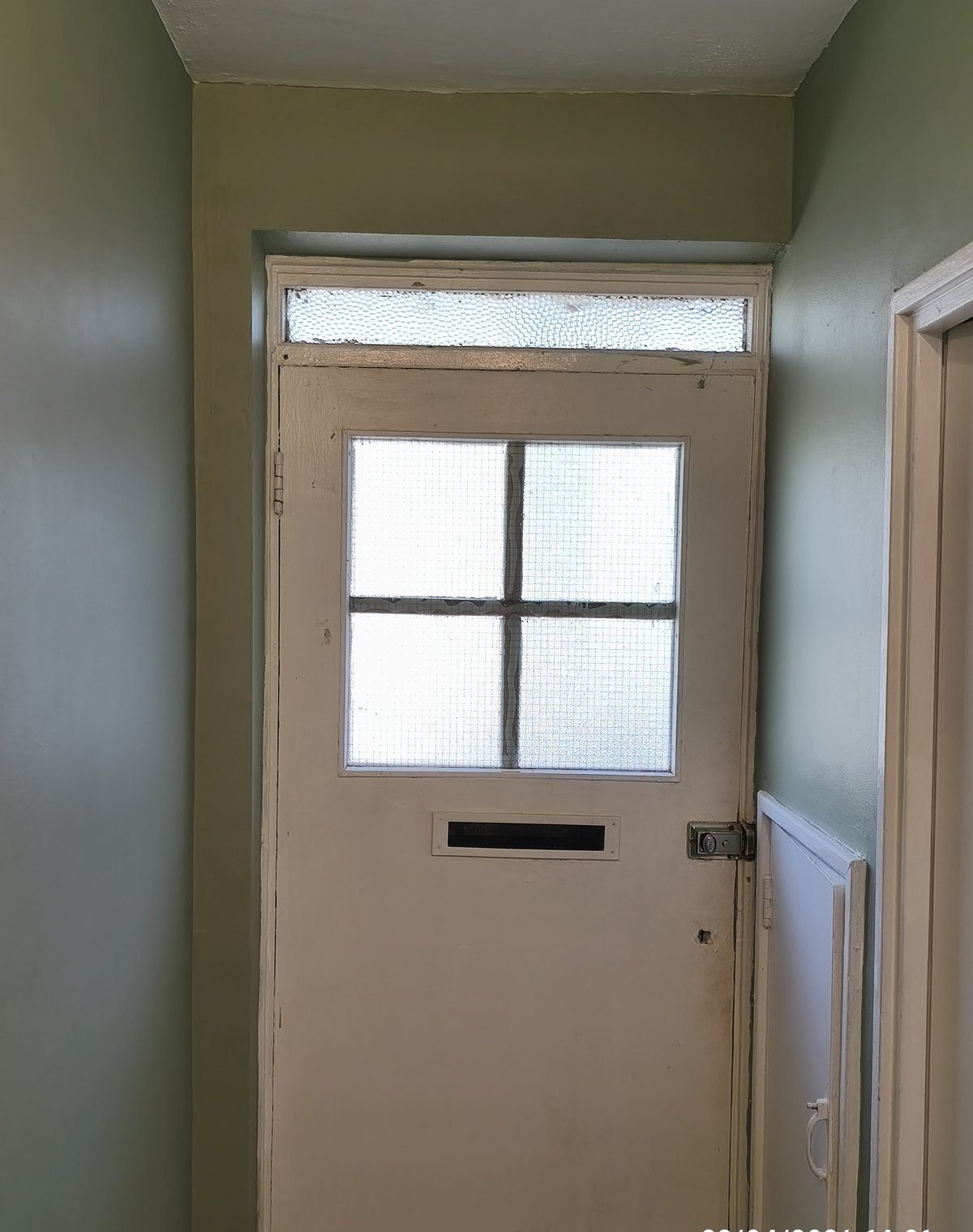
If you need exterior work done — front door, window frames, render, masonry — book it for June or July. That gives you the best chance of a clean run of dry, mild days. And use proper exterior paint, not interior emulsion “because it’s cheaper.” Exterior paint contains fungicides and UV inhibitors that interior paint doesn’t — skip them and your front door will look tired within 18 months.
The London-Specific Factors
London has a few quirks that affect when you should paint:
- Air pollution is worst in winter and early spring. If you paint in February and open the windows to ventilate, you’re letting in fine particulate matter that settles on your wet walls. By May, the air is cleaner and you can ventilate without coating your fresh paint in soot.
- London humidity is higher than the UK average. The urban heat island effect plus the Thames basin means London is consistently 1-2°C warmer and 5-10% more humid than surrounding areas. Paint takes longer to dry here than the tin says it will. Add 25% to the stated drying time on any paint tin if you’re in Inner London.
- Construction season runs March-October. If you live near a building site (and in London, that’s most of us), the dust kicked up by construction will find its way onto wet paint. Check what’s happening in your street before you start — you don’t want to be painting the same week your neighbour is having a loft conversion done.
My Honest Recommendation
If you have the luxury of choosing when to paint, aim for April-May or September-October. You’ll get the best drying conditions, the fewest problems, and a finish that looks professional. If you have to paint in summer, paint early in the day and close the curtains. If you have to paint in winter, heat the room and accept that everything will take twice as long.
And whatever season you choose, use the right tools. A quality trade paint performs better in sub-optimal conditions than cheap retail paint. Good brushes lay paint more evenly, which matters even more when drying conditions aren’t perfect. Proper masking tape stays put regardless of humidity — cheap tape peels off when the air gets damp.
Need a Painter Who Knows London?
I’ve painted through every season London can throw at me — from sweltering August heatwaves in Battersea attic conversions to freezing January mornings in Brixton Victorian terraces with the heating on full blast. I know how to adjust my approach to the conditions and get a flawless finish regardless of the time of year.
If you’d rather leave the timing decisions to someone else, get a free quote here. I’ll tell you honestly when the best window is for your specific property — and I’ll do the work when conditions are right, not when the calendar says so.
Some product links are affiliate links. I only recommend products I use on paying jobs. As an Amazon Associate, I earn from qualifying purchases.